




Removing hair from a vacuum roller is simple when you use the right method and tools.
This guide starts by listing the best tools to get the job done quickly and safely. Next, it shows you exactly how to remove tangled hair from your vacuum roller in clear, easy steps. To help you avoid the same problem in the future, the guide ends with smart tips for preventing hair from getting stuck again.
Best Tools to Remove Hair from Vacuum
Below is a simple list of the most effective tools you can use to get the job done quickly.
-
Scissors: A basic tool to cut through tangled hair quickly.
-
Seam Ripper: A precise tool that easily slices through tightly wrapped hair.
-
Safety Cutter or Box Cutter: Sharp tools for cutting thick or stubborn hair. Use with caution.
-
Needle Nose Pliers, Hemostats, or Tweezers: Ideal for pulling out trapped or hard-to-reach hair strands.
-
Cleaning Brush or Old Toothbrush: Helps to remove dust and fine debris after cutting hair.
- Vacuum Hair Removal Tools: Specialized tools designed for safe and efficient hair removal from vacuum rollers.
How to Remove Hair from a Vacuum Roller Easily?

Removing hair from a vacuum roller is simple—just unplug the vacuum, access the roller, carefully cut and remove the tangled hair, clean the remaining debris, and reassemble the parts.
Before you start, check your vacuum manual to avoid removing non-removable parts. For some models, disassembling the wrong section may cause damage or void the warranty.
Step 1: Unplug the Vacuum Cleaner
Always unplug the vacuum cleaner before you begin. This is the most important step for safety. It prevents accidental start-ups and reduces the risk of electric shock. Never skip this step, even if you only plan to do a quick cleaning.
Step 2: Disassemble and Access the Vacuum Roller
Turn the vacuum upside down to expose the bottom. Locate the screws or release tabs that hold the bottom plate or cover in place. Most vacuums use either Phillips-head screws or clips that can be unlocked by hand.
Use a screwdriver if necessary and keep the screws in a safe spot. Gently remove the bottom plate to reveal the vacuum roller. Handle the parts carefully to avoid damaging the roller or other components.
Check your vacuum’s manual if you are unsure about the disassembly process. Some models may have a different locking mechanism.
Step 3: Cut and Remove the Tangled Hair
Use your chosen cutting tool, such as scissors, a seam ripper, or a safety cutter. Slide the tool carefully along the roller’s grooves to cut through the tangled hair. Work slowly to avoid damaging the bristles or the roller surface.
Once the hair is cut, pull it off by hand or use tweezers for smaller strands. Focus on removing all the hair wrapped around the roller and its ends. Be patient if the buildup is thick or tightly wound.
Step 4: Clean Remaining Debris & Wipe Down the Roller
After removing the hair, check the roller for remaining dust, dirt, and fibers. Use a cleaning brush or an old toothbrush to scrub away the debris. Pay special attention to the roller ends and around the bearings, where dirt often collects.
If needed, wipe the roller with a slightly damp cloth to remove any leftover residue. Make sure the roller is completely dry before reassembly to prevent mold or damage.
Step 5: Reassemble and Test Your Vacuum
Place the roller back into its original position. Make sure it is aligned correctly and seated securely. Reattach the bottom plate or cover, then tighten the screws or lock the clips in place.
Once everything is secured, plug the vacuum back in. Turn it on to check if the roller spins smoothly. If the roller moves freely and there are no unusual noises, the cleaning process is complete.
How Often Should You Clean Your Vacuum Roller?

You should clean your vacuum roller every one to two weeks if you have pets or household members with long hair. For homes with less hair and debris, cleaning once a month is usually enough.
Check your vacuum roller more frequently if you notice reduced suction, unusual noises, or visible hair buildup. Regular cleaning prevents clogs, protects the motor, and keeps the vacuum working efficiently.
Tips to Prevent Hair from Getting Tangled in Vacuum Roller
Sweep or Brush Floors Before Vacuuming
Start by removing loose hair from floors before you vacuum. Use a rubber broom or a manual floor brush to gather hair into piles. This reduces the amount of hair that reaches the vacuum roller and minimizes tangling.
Brush Rugs and Carpets Before Vacuuming
Use a carpet brush or lint roller to remove hair from rugs and carpets before vacuuming. This helps prevent hair from getting trapped in the roller. It also improves vacuum performance and makes cleaning easier.
Use Anti-Tangle Vacuum Models or Robot Vacuums
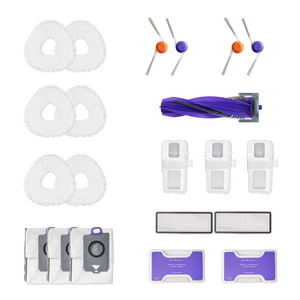
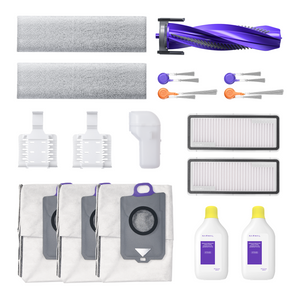
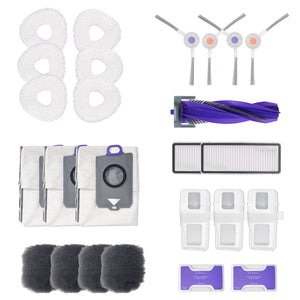
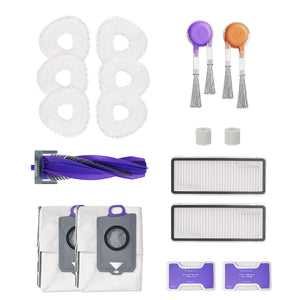
Consider switching to vacuum models with anti-tangle technology. Some like Narwal robot vacuums, have rollers designed to reduce hair wrapping. These vacuums can prevent tangles automatically and lower the need for manual cleaning.
Set a Regular Cleaning Schedule
Cleaning the vacuum roller regularly is the most effective way to avoid heavy buildup. For most homes, a weekly or monthly routine works well. Consistent cleaning prevents major clogs and extends the life of your vacuum.
Deep Clean Carefully
Some users prefer full disassembly to remove hidden debris. If you choose this method, follow your vacuum manual closely. Take your time and work carefully to avoid damaging parts or voiding the warranty.

Get Hair Out of Vacuum With Less Effort From Now On
Keeping your vacuum roller clean doesn’t need to be a constant struggle. With the right habits, you can maintain smooth cleaning performance and avoid the hassle of tangled hair. Simple tools and regular care often solve the problem.
But sometimes, convenience matters more. Many households now lean toward smarter solutions that simplify cleaning with less effort.
That’s why many people now choose Narwal for its advanced anti-tangle technology. It’s a practical solution for those who want to avoid constant maintenance and enjoy effortless cleaning.


